An ads cloaker is a technology used to manage and deliver different website or advertising experiences based on factors such as traffic source, visitor characteristics, and predefined conditions. Ad cloaking is commonly discussed in digital advertising, particularly by businesses operating in competitive or restricted categories.
Understanding how an ads cloaker works can help advertisers understand traffic filtering, content variations, landing-page experiences, and advertising-platform requirements. Depending on the setup, cloaking systems may use signals such as IP addresses, referrer information, user-agent data, and other traffic characteristics to determine which experience is presented to a visitor.
AdsApproved provides ads cloaking solutions designed to help businesses manage advertising traffic and website experiences. Its services include cloaking setup, traffic filtering, safe-page configuration, monitoring, and testing.
In this guide, we’ll explain what an ads cloaker is, how ad cloaking works, the different types of cloaking, its potential benefits and risks, and how businesses can approach cloaking across different advertising platforms.
Ad Cloaking vs. Affiliate Link Cloaking
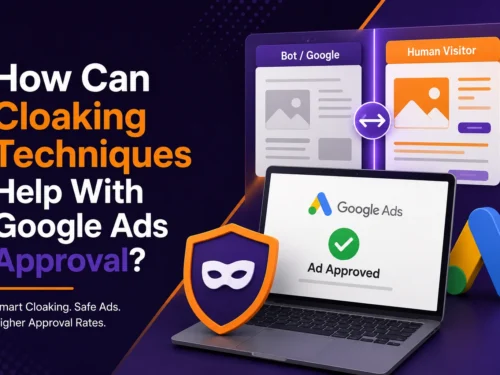
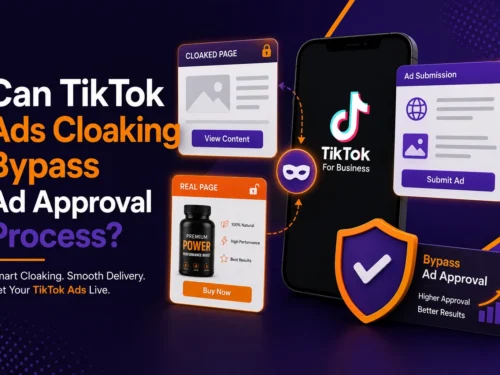
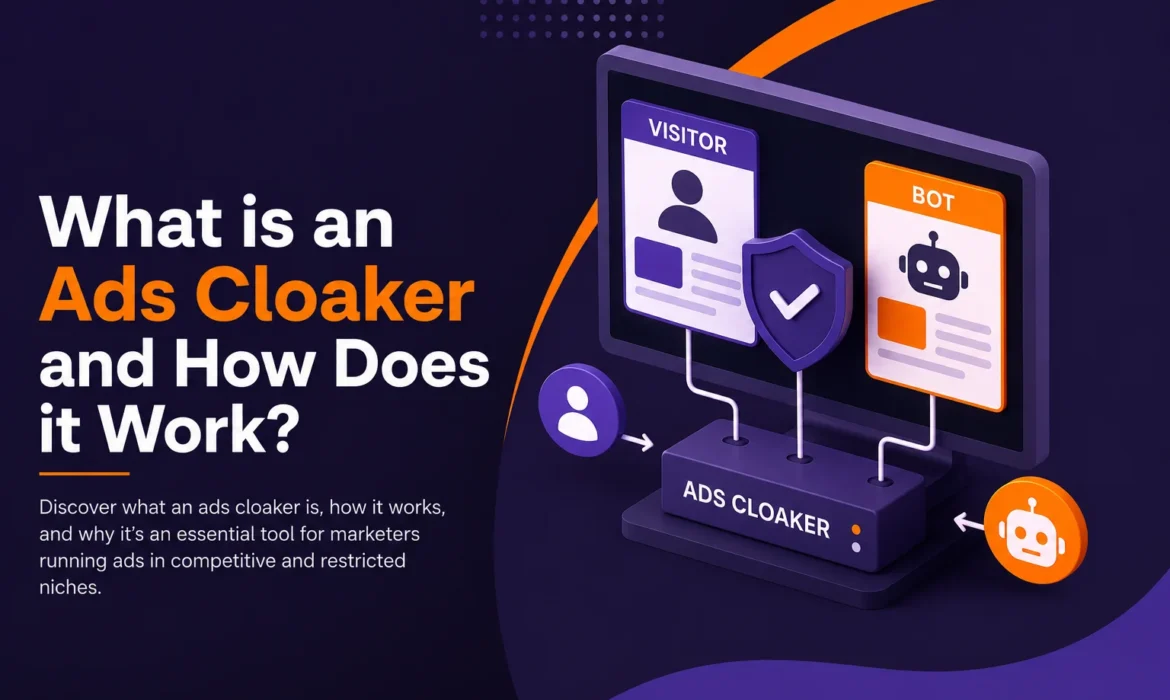
Ads cloaking is a widely used technique used in the realm of digital marketing. It refers to showing different content to ad bots and human viewers. It showcases a safe version of the ad to search engines and the non-compliant/restricted version to human audiences. The secure version is the one that is according to the platform’s guidelines. On the other hand, the restricted version of an ad, which is only made for target human viewers, contains the promotion of restricted or non-policy-compliant products or services.
Ad cloaking and affiliate link cloaking are related terms, but they describe different practices. Ad cloaking generally refers to delivering different advertising or landing-page experiences based on traffic characteristics. Affiliate link cloaking, on the other hand, is primarily used to make long affiliate URLs shorter, cleaner, and easier to share.
Understanding this distinction is important because the two techniques have different purposes and should not be treated as the same type of cloaking.
Thus, the process helps increase click-through rates and restricts search engines from flagging your content as spam.
Advert cloakers implement cloaking on two different levels, from ad creatives to landing pages;
- Dynamic Cloaking: Dynamic cloaking provides a great way to change the content of your website or ad depending on the type of visitor. It can detect ad bots immediately and then show them safe content. It can evaluate traffic signals such as the visitor’s source, device information, IP address, referrer, and other predefined conditions before determining which experience to deliver. Then, it shows the user content accordingly.
- Static Cloaking: Static cloaking is the process of creating two different, unchanging versions of an ad or website. It does not work like dynamic cloaking, which changes based on a user’s nature. Instead, it works by showing one version of an ad to ad reviewers and the other version to human viewers.
White Hat Ads Cloaking Vs. Black Hat Ads Cloaking

White Hat Cloaking:
White hat cloaking is an innovative cloaking technique used by advertisers for ethical reasons. It ensures that your ad adheres to guidelines and follows all the policies of a social media platform. Sometimes, it is difficult to keep up with platforms’ changing policies. So, white hat cloaking enables you to follow these policies regularly and avoid any hassle. Moreover, it also enhances user experience by showing them interesting and relatable content.
Black Hat Cloaking:
Black hat cloaking generally refers to cloaking practices intended to misrepresent the actual content or destination shown to advertising platforms, search engines, or other automated systems. These practices can conflict with advertising-platform or search-engine policies and may result in rejected campaigns, account restrictions, loss of visibility, or other penalties.
For this reason, advertisers should understand the applicable policies of each platform before implementing any cloaking-related technology
Read More: How Does Facebook Cloaking Get Your Ads Approved?
How Does Ads Cloaker Work?

Cloakers use various methods to hide their ads or websites. The following is an overview of how ads cloakers work.
IP-Based Filtering:
Ads Approved filters the traffic to distinguish between human users and ad reviewers. Most ad cloakers, like Ads Approved, have an updated list of IP addresses, which they utilize to determine ad bots. Some other resources, such as user-agent strings, referrer headers, and server location data, are also used to differentiate between incoming traffic.
Content Redirection:
After traffic has been evaluated, a cloaking system can deliver the appropriate website experience according to its configured rules. The exact behavior depends on the implementation, traffic conditions, and predefined settings.
Advertisers should ensure that their implementation is consistent with the requirements and policies of the advertising platform they use.
Creation of Custom Safe Page:
Ads Approved also creates a customized safe page for ad reviewers. It uses the right keywords and visuals to ensure its quality. This way,
A custom safe page can be created to provide visitors with clear, relevant, and policy-compliant information. The page may include appropriate content, navigation, branding, and visuals based on the requirements of the advertising campaign.
A properly structured landing page should provide a consistent and useful experience while meeting the applicable advertising-platform requirements.
Monitoring of Cloaked Ad:
Ads Approved also monitors your cloaked ad after setting it up. This ensures that it is undetectable from ad reviewers. Similarly, advertisement cloakers also track the performance of your ad by considering key metrics such as views, click-through rates, etc. This helps attain knowledge about the ad’s perfect performance and helps change strategies for better outcomes.
Testing of Cloaking Setup:
Ads Approved also tests your cloaking setup to ensure that it works smoothly. It checks both pages, the one made for users and the other for ad reviewers, to ensure that your ad campaign runs without hassle for both audiences.
Why Do Businesses Use Ads Cloaking?
It would help if you used ads cloaking for your marketing campaigns for several beneficial reasons.
- Most ad networks have strict guidelines and restrictions. Ads Cloaker allows you to bypass these restrictions and get ads approved even if your ad promotes prohibited content.
- Cloakers increase the likelihood of your ad approval. Thus, increased ad approval rates are beneficial for businesses that promote restricted content on online marketing platforms.
- Ad Cloaker also enhances conversion rates. Testing different ad versions determines which version of your ad is best and can offer ideal conversion rates.
- Ads cloaking also increases your brand’s awareness and provides a competitive edge in the market.
Final Thoughts!
An ads cloaker is a technology that can manage different website or advertising experiences according to predefined traffic conditions. Understanding how ad cloaking works, including dynamic and static approaches, can help advertisers better evaluate its applications, limitations, and potential risks.
Businesses considering cloaking technology should also review the advertising policies of the platforms they use and ensure their campaigns and landing pages are managed appropriately.
If you are looking for an ads cloaking solution, AdsApproved provides cloaking setup, traffic filtering, safe-page configuration, monitoring, and testing services for businesses operating across different advertising environments.